How to Open a Bank Account in Australia as a Non-Resident
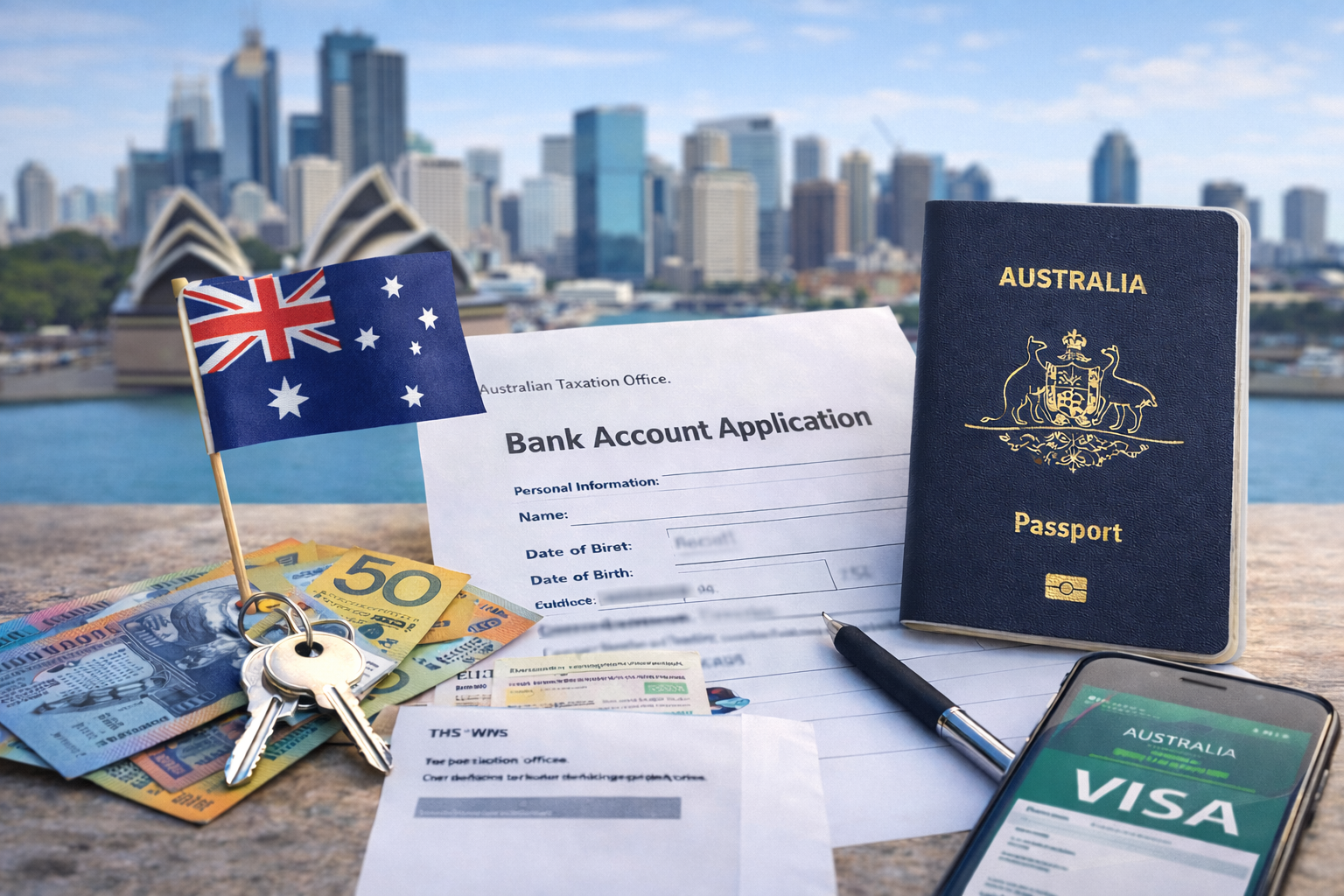
How to Open a Bank Account in Australia as a Non-Resident
General information on eligibility, documentation, and processes for opening a bank account in Australia as a non-resident.
Opening a Bank Account in Australia as a Non-Resident: General Information
Non-residents and temporary visa holders may be able to open a bank account in Australia, subject to the requirements of individual financial institutions and applicable laws and regulations.
This article provides general information about how bank account access for non-residents operates in Australia, including documentation requirements, account types, and common processes. It does not constitute financial or legal advice.
Can non-residents open a bank account in Australia?
Some Australian financial institutions offer banking services to non-residents, provided identity verification and regulatory requirements are satisfied.
Financial institutions in Australia are required to comply with customer identification and anti-money laundering obligations under applicable legislation. These obligations generally require identity verification before an account can be fully activated.
Some institutions allow applications to be initiated online, including prior to arrival in Australia. However, identity verification may still need to be completed in person, depending on the provider and individual circumstances.
Common reasons for opening a local bank account
A local bank account may be used for everyday financial activities, including:
- Receiving payments from an Australian employer
- Paying rent, utilities, or other expenses
- Setting up recurring payments or direct debits
- Using a debit card for domestic transactions
The relevance of these uses depends on individual circumstances, including employment, visa conditions, and residency status.
Types of bank accounts
Australian financial institutions may offer different types of accounts, including:
Transaction accountsTypically used for day-to-day payments, including wages, bills, and purchases. These accounts may include debit card access and online banking functionality.
Savings accountsUsed to hold funds separately from transaction accounts. Some accounts may offer interest, subject to conditions set by the provider.
Student accountsCertain institutions offer accounts designed for students, which may have different eligibility criteria or fee structures.
Account features, eligibility requirements, and fees vary between providers.
Documentation requirements
Documentation requirements differ by financial institution but may include:
- Passport or other primary identification
- Visa information or proof of visa status
- An Australian address (which may include temporary accommodation)
- A local contact number
- Tax residency details and, where applicable, a Tax File Number
Financial institutions may require original documents to complete identity verification.
Banks offering services to non-residents
Some Australian financial institutions offer services for new arrivals and non-residents, including:
- Commonwealth Bank
- Westpac
- NAB
- ANZ
Eligibility criteria, onboarding processes, and product features vary. Information should be confirmed directly with the relevant institution, as requirements may change.
Alternative financial services
Some individuals use international or multi-currency financial services when arriving in Australia. These services may assist with transferring funds internationally but may not provide the same functionality as a domestic bank account.
General process for opening an account
While processes differ between institutions, a general overview may include:
- Selecting an account type
- Providing personal and identification details
- Submitting an application (online or in person)
- Completing identity verification
- Activating account access and payment methods
Processing times vary depending on the provider and verification requirements.
Common fees
Fees depend on the financial institution and account type. Examples may include:
- Account maintenance fees (which may be waived under certain conditions)
- ATM withdrawal fees (particularly for out-of-network machines)
- International transaction and currency conversion fees
- Overdraw or dishonour fees
- Card replacement fees
Full fee information is available from each financial institution.
Regulatory considerations
Financial institutions in Australia operate within a regulated framework, including obligations relating to customer identification, financial crime prevention, and reporting requirements.
Applicants should expect verification processes to be detailed and, in some cases, time-consuming.
Financial considerations when settling in Australia
Relocating to Australia may involve upfront expenses such as accommodation, transport, and general living costs.
Some individuals explore financial products to manage these expenses. The availability of such products depends on individual circumstances, eligibility criteria, and provider requirements.
Credit24 may consider applications from eligible individuals, including certain visa holders, subject to responsible lending obligations under the National Consumer Credit Protection Act 2009 and applicable terms.
Important information
Access to banking services and financial products depends on individual eligibility and provider criteria. Individuals should refer to official bank and government sources for current and accurate information.
Disclaimer
IPF Digital Australia Pty Ltd, trading as Credit24, ABN 59 130 894 405. Australian Credit Licence 422839.
The information in this article is general in nature and does not consider your objectives, financial situation, or needs. Lending criteria, fees, charges, and terms and conditions apply. For full details, visit www.credit24.com.au.
Start a loan application