How to Apply for a Credit Card in Australia: Step-by-Step
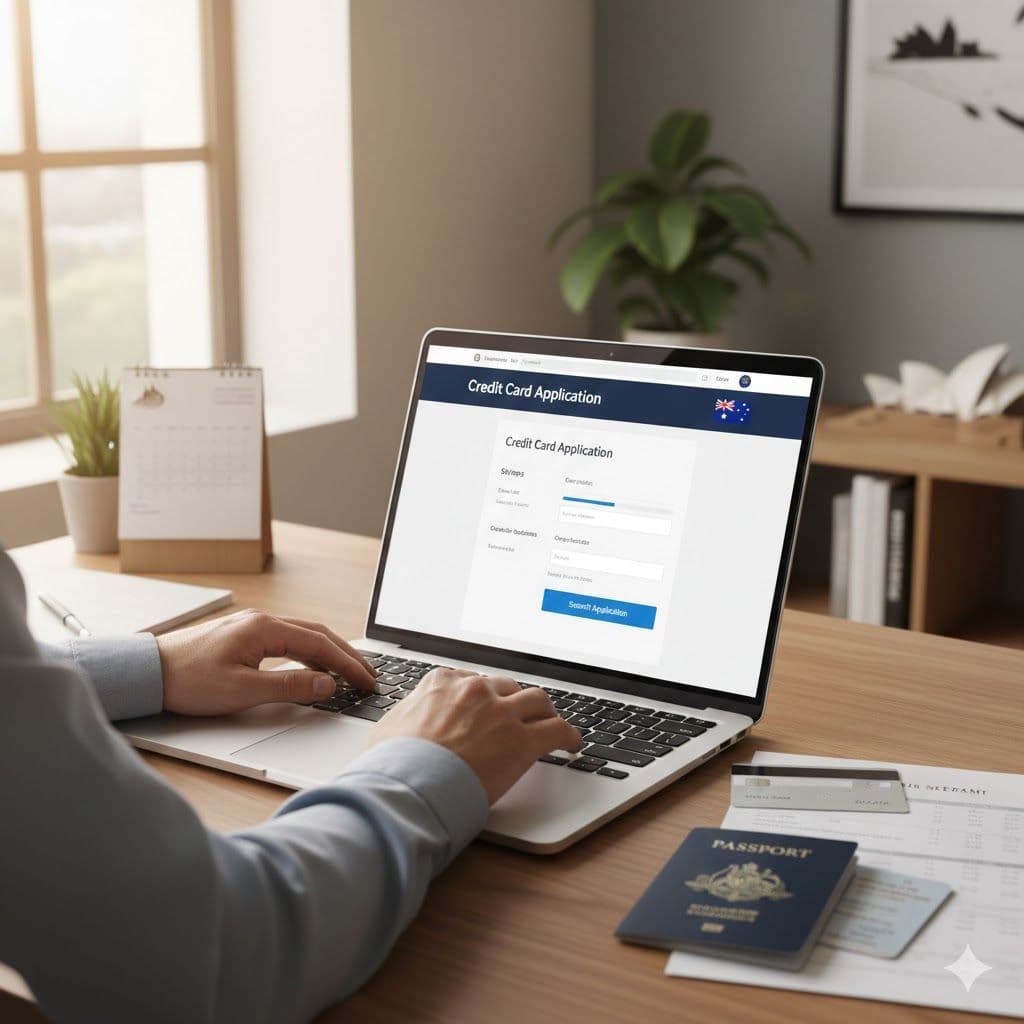
How to Apply for a Credit Card in Australia: Step-by-Step
How to Apply for a Credit Card in Australia: Step-by-Step
Learn the step-by-step process for applying for a credit card in Australia, including common eligibility considerations, documents that may be required, and what to expect during the application process. Understanding how credit card applications generally work can help you compare options and make more informed decisions.
How to Apply for a Credit Card in Australia: Step-by-Step
Applying for a credit card in Australia may be easier when you understand the general process, common eligibility considerations, and what lenders typically assess. While many lenders follow a broadly similar application journey, their specific criteria and approval processes can vary.
This guide explains how credit card applications generally work, what documents you may need, how approvals are typically assessed, and practical steps to take before submitting an application—especially if you’re applying for the first time.
Understanding the process may help you reduce the likelihood of unsuccessful applications and choose a card that better suits your financial situation.
Before You Apply: Is a Credit Card Right for You?
A credit card can be useful for some people, but it may not suit everyone. Before applying, it’s important to consider both the potential benefits and the risks involved.
Benefits of credit cards in Australia
Interest-free periods are commonly available on many credit cards if the closing balance is paid in full by the due date.
Fraud protection policies may apply to unauthorised transactions, depending on the provider and circumstances.
Credit cards can provide access to a line of credit for purchases, though they involve repayment obligations and potential costs that should be considered carefully.
Repayment history information may be recorded on your credit report, which lenders may consider when assessing future credit applications.
Potential drawbacks
Interest charges may apply if the balance is not repaid in full by the due date.
Fees may apply, such as annual fees, late payment fees, and cash advance charges.
There is a risk of overspending, particularly if the credit limit exceeds what you can comfortably manage.
Quick self-check before applying
Before applying, consider:
- Can you usually repay the balance in full each month?
- Do you have a reliable source of income?
- Are you comfortable managing repayment due dates?
- Do you understand how fees and interest charges may apply?
If you answered “no” to several of these questions, it may be helpful to review your budget and repayment plan before applying for a credit card.
Step 1: Understand Credit Card Eligibility Requirements in Australia
Age and residency requirements
To apply for a credit card in Australia, applicants generally need to be at least 18 years old.
Acceptable residency statuses often include:
- Australian citizens
- Permanent residents
- New Zealand citizens on a Special Category Visa (SCV)
Some temporary visa holders may be eligible depending on the lender’s policy, though approval can be more limited.
Income requirements
Minimum income requirements vary widely between lenders and card types. Entry-level cards may have lower income requirements, while premium or rewards cards may require higher income levels.
Accepted income sources may include:
- Full-time or part-time employment
- Casual employment with a consistent income history
- Self-employment (usually requiring additional documentation)
- Certain government benefits, depending on the lender
Lenders generally focus on regular and ongoing income when assessing applications.
Credit history requirements
Australia uses a comprehensive credit reporting system. Credit reporting bodies may record information such as:
- Repayment history
- Credit limits
- Current credit accounts
- Credit applications
- Certain adverse credit events
Credit score categories and ranges vary between credit reporting bodies, and lenders may interpret credit reports differently when assessing applications.
Serious credit events—such as defaults listed on your credit report—may affect the outcome of a credit card application.
Consumers can usually request a free copy of their credit report from credit reporting bodies.
Existing debt considerations
When reviewing applications, lenders generally consider existing debts and financial commitments to assess whether repayments are manageable.
This may include reviewing:
- Personal loans
- Car loans
- Existing credit cards
- Buy Now Pay Later accounts
- Other financial obligations
Even if repayments are up to date, existing debts may influence the credit limit offered or the outcome of an application.
Step 2: Decide What Type of Credit Card You Need
Choosing a credit card that aligns with your needs and spending habits may help reduce unnecessary costs.
Low-rate credit cards
These cards generally offer lower purchase interest rates compared with standard cards. However, they may include fewer features or rewards.
Low-fee or no-annual-fee cards
Some cards have low or no annual fees. These may suit occasional use or people who want to reduce ongoing costs.
Rewards credit cards
Rewards cards may offer points, cashback, or other benefits based on spending. These cards often have higher annual fees, and the value of rewards can depend on spending habits and how the card is used.
Travel or frequent flyer cards
Some cards offer airline points, travel insurance, or other travel-related benefits. These cards may have higher eligibility requirements and additional fees depending on the provider.
Balance transfer cards
Some credit cards offer promotional interest rates on transferred balances for a limited period. Conditions, fees, and the interest rate after the promotional period can vary between lenders.
Secured or specialist cards
Some lenders offer secured cards backed by a cash deposit. These may be used by individuals who are building or rebuilding a credit history.
Step 3: Gather the Required Documentation
Identification documents
Many lenders verify identity using Australia’s 100-point identification system. Documents commonly used include:
- Passport
- Driver’s licence
- Medicare card
- Birth certificate
Some lenders may use digital identity verification during the application process.
Proof of income
Depending on your circumstances, lenders may request:
- Recent payslips
- Employment confirmation
- Recent tax returns (for self-employed applicants)
- Bank statements showing income deposits
Financial information
Applicants are typically asked to provide information about their financial situation, including:
- Assets (such as savings or property)
- Existing debts and liabilities
- Living expenses and regular commitments
Lenders may verify some of this information using bank statements or credit reports.
Step 4: Compare Credit Card Options
Before applying, comparing several credit cards may help you understand the costs and features available.
Key comparison factors
Common factors to review include:
- Purchase interest rate
- Annual and ongoing fees
- Interest-free periods
- Rewards structure (if applicable)
- Foreign transaction fees
- Credit limit options
It can also be helpful to review the credit card Key Facts Sheet, which provides standardised information about key costs and features.
Using comparison tools
Independent comparison websites and ASIC’s MoneySmart resources may help you compare credit cards and understand their costs and features. When reviewing promotional offers, consider how rates or fees may change after any introductory period ends.
Step 5: Complete the Application Process
Online applications
Many credit card applications are completed online. The process typically involves:
- Providing personal and financial details
- Identity verification
- Uploading supporting documents if required
- Authorising a credit check
Processing times can vary depending on the lender and the verification checks required.
In-branch applications
Applying in person may be helpful if:
- Your financial situation is more complex
- You are self-employed
- You prefer to discuss the application with a representative
Phone applications
Some lenders allow applications to be completed over the phone, though processing times may vary.
Step 6: Navigate the Approval Process
Conditional approval
Conditional approval generally means the lender has completed an initial review but still needs to verify documents or information before making a final decision.
Credit assessment
During assessment, lenders may review factors such as:
- Information on your credit report
- Income and employment stability
- Living expenses and existing debts
- Overall financial situation
Assessment timeframes vary depending on the lender and the information required.
Choosing your credit limit
The credit limit offered is typically determined by the lender based on its assessment of your financial situation and repayment capacity.
Final approval and card issuance
If your application is approved:
- Some lenders may provide access to a digital card shortly after approval
- A physical card may arrive by mail within several business days
- Card activation is usually required before the card can be used
Step 7: Set Up and Start Using Your Card
Card activation
Credit cards are usually activated through:
- Mobile banking apps
- Online banking
- Phone activation services
Digital wallet integration
Many cards can be added to digital wallets such as Apple Pay, Google Pay, or Samsung Pay, which use tokenisation technology to help protect card details during payments.
Setting up repayments
Common repayment strategies include:
- Setting up automatic payments for the full balance each month where possible
- Avoiding paying only the minimum amount where feasible
- Monitoring statements and repayment due dates
Steps to Prepare Before Applying for a Credit Card
Taking a few steps before applying may help ensure your application information is accurate and complete.
Before you apply
- Check your credit report for accuracy
- Review your existing debts and financial commitments
- Avoid submitting multiple credit applications in a short period
- Prepare accurate income and expense information
During the application
- Provide complete and accurate information
- Review the application carefully before submitting
- Ensure any requested documents are provided promptly
If your application is declined
If an application is declined:
- You may ask the lender for a general explanation of the decision
- Consider waiting before submitting another application
- Review your credit report and financial situation before reapplying
Alternatives to Traditional Credit Cards
If a credit card does not suit your needs or approval is difficult, alternatives may include:
- Debit cards for everyday spending
- Secured credit cards backed by a deposit
- Buy Now Pay Later services (which may involve fees or late payment charges)
- Other credit products offered by lenders, depending on eligibility and product terms
Applying for Credit Cards: FAQ
How long does approval take?
Approval times can range from near-instant decisions to several business days, depending on the lender and the verification checks required.
Does applying affect my credit score?
Submitting a credit card application typically results in a credit enquiry on your credit report, which lenders may consider when assessing your application.
Can I apply for multiple cards at once?
Applying for several credit products within a short period may affect how lenders assess new applications.
What if I have no Australian credit history?
Some applicants may start with lower-limit credit cards or secured cards while establishing a local credit history.
Sources
Credit card application processes – Australian Securities and Investments Commission (ASIC)
Credit reporting in Australia – ASIC MoneySmart
Interest-free periods – ASIC MoneySmart
Credit card fraud protections – Australian Banking Association
Credit reporting impact – Equifax Australia
Responsible credit use – ASIC
Minimum age requirements – ASIC
Residency eligibility – major Australian banks’ credit card terms and conditions
Income assessment rules – ASIC
Comprehensive credit reporting – OAIC
Free credit reports – ASIC MoneySmart
Credit assessment practices – ASIC
Credit card comparison factors – MoneySmart
Key Fact Sheets – ASIC
Comparison tools – ASIC MoneySmart
Online approvals – Australian Banking Association
Digital wallets – Reserve Bank of Australia
Repayment strategies – ASIC
Credit enquiries – Equifax
Building credit history – ASIC MoneySmart
Disclaimer
IPF Digital Australia Pty Ltd, trading as Credit24, ABN 59 130 894 405. Australian Credit Licence 422839.
The information in this article is general in nature and does not consider your objectives, financial situation, or needs. Lending criteria, fees, and charges apply. For product details, eligibility requirements, and full terms and conditions, visit www.credit24.com.au.
Start a loan application