BNPL Meaning: What is Buy Now Pay Later?
BNPL Meaning: What Is Buy Now Pay Later?
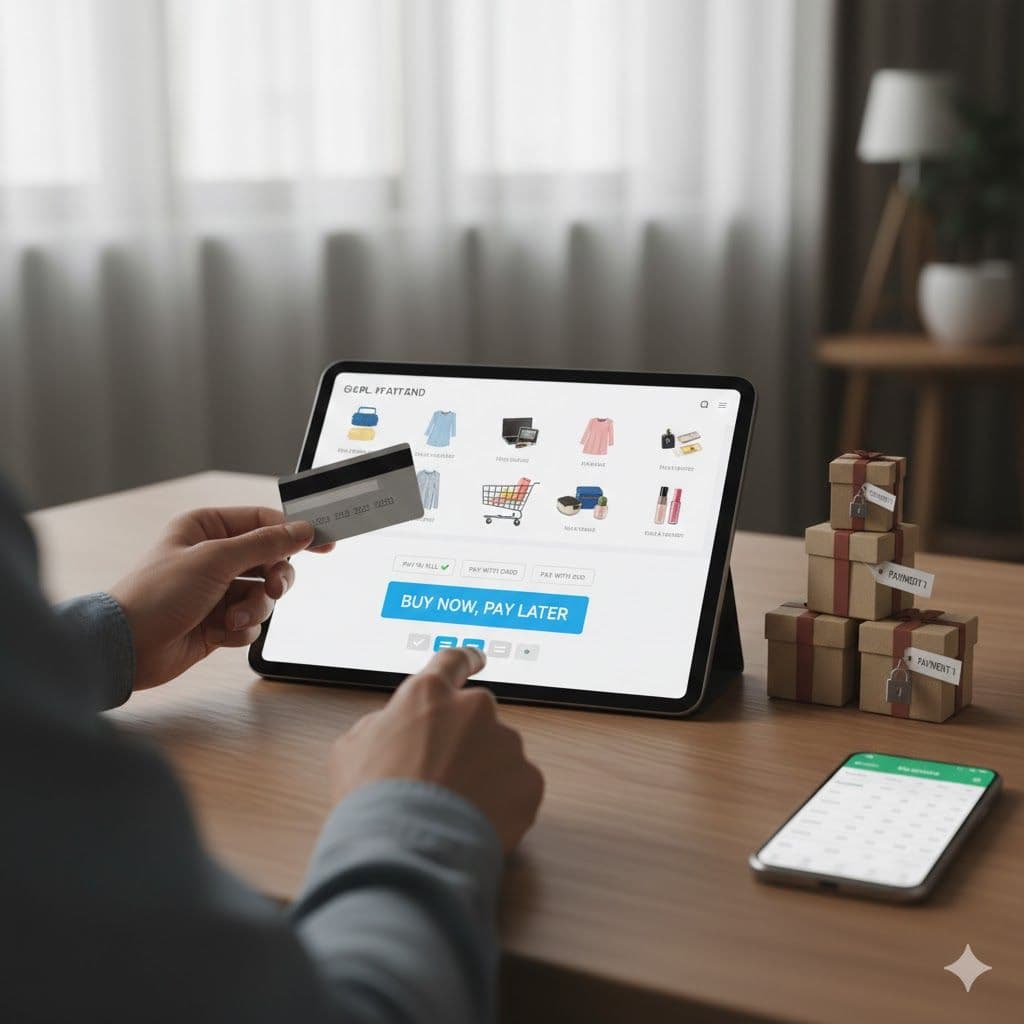
Buy Now Pay Later (BNPL) is a payment arrangement that allows consumers to purchase goods or services and repay the cost in instalments over time. This guide explains how BNPL works in Australia, outlines potential fees and risks to understand, and highlights how BNPL differs from other credit products.
BNPL Meaning: What Is Buy Now Pay Later?
Buy Now Pay Later (BNPL) has become a widely used payment option in Australia. It is commonly offered both online and in-store, allowing purchases to be repaid in instalments over a set period.
In this guide, we explain the meaning of BNPL, how these services typically operate, who may be able to use them, how they differ from credit cards, and when other credit options may be compared. The goal is to help you understand the basics so you can make more informed decisions about payment options.
If you’d like to learn more about borrowing and credit, you may also find these guides helpful:
What is a credit score?
https://www.credit24.com.au/blog/what-is-a-credit-score
What is a credit check?
https://www.credit24.com.au/blog/what-is-a-credit-check
How does credit card interest work?
https://www.credit24.com.au/blog/how-does-credit-card-interest-work
What is Buy Now Pay Later (BNPL)?
BNPL stands for Buy Now Pay Later. It is a payment arrangement that allows a customer to receive goods or services immediately and repay the purchase price through instalments over time.
Depending on how a BNPL product is structured, it may be treated as a form of consumer credit under Australian law.
BNPL meaning (simple explanation)
BNPL allows you to buy something now and repay the purchase in instalments over a defined period. Some BNPL products offer short repayment schedules, while others may offer longer instalment plans.
Repayment structures vary depending on the provider and product.
How BNPL works at a high level
Although processes differ across providers, BNPL typically works in the following way:
- You choose a BNPL option at checkout
- You may pay an initial instalment at the time of purchase
- The remaining balance is repaid through scheduled instalments
- Instalments are usually deducted automatically from a linked payment method
BNPL arrangements are often described as point-of-sale instalment payment arrangements. Some products may not charge interest for shorter repayment plans, although fees may still apply in some circumstances.
Understanding how the repayment schedule works and what fees may apply can help you compare BNPL with other payment options.
How does Buy Now Pay Later work?
The exact steps can vary depending on the provider and product, but a typical BNPL process may include the following:
1. Select BNPL at checkout
When making a purchase online or in-store, you may be able to select a BNPL provider such as Afterpay, Zip, Klarna, or another service.
2. Provide personal information
Providers commonly request basic details such as:
- Name
- Date of birth
- Mobile number
- Email address
- A payment method such as a debit or credit card
3. Approval process
Providers usually conduct identity verification checks and may carry out other checks as part of their approval process. The type of checks performed can vary depending on the provider, product, and regulatory requirements.
4. Pay an initial instalment
Some BNPL products require an initial payment at the time of purchase, depending on the provider and repayment plan.
5. Scheduled repayments
Remaining instalments are typically deducted automatically according to the repayment schedule, which may be weekly, fortnightly, or monthly depending on the product.
6. Missed payments
If a payment is missed, providers may charge late fees or temporarily restrict the account. Some providers may also report certain account information to credit reporting bodies depending on the provider, product type, and circumstances.
Understanding the repayment schedule and potential fees can help reduce the risk of missed payments.
BNPL age and eligibility
Eligibility requirements vary by provider, but commonly include:
- Being at least 18 years old
- Providing identification information
- Having a valid payment method such as a debit or credit card
Some providers may also consider information such as previous account activity or credit history when deciding whether to approve an account or set spending limits.
Approval criteria and limits vary between providers.
How do BNPL companies make money?
Some BNPL services promote interest-free repayment plans for short-term instalments. However, providers may still generate revenue in other ways. The types of fees and revenue sources depend on the provider and product.
Merchant fees
Retailers may pay BNPL providers a percentage of each sale in exchange for offering the payment option to customers.
Late fees
Some providers charge late fees if repayments are missed.
Account or subscription fees
Certain BNPL products may include monthly or subscription fees, particularly where higher spending limits or additional features are offered.
Payment processing fees
Additional charges may apply depending on the payment method used.
Interest on longer-term plans
Some BNPL products offer longer repayment plans, which may include interest charges depending on the terms of the product.
Reviewing a provider’s fee schedule and repayment terms can help you understand the total cost of using BNPL.
What Buy Now Pay Later apps are there in Australia?
Australia has a number of BNPL providers offering different products and repayment structures. Features and terms can change over time, and may differ across individual products.
Afterpay
Often structured as four instalments paid over several weeks. Late fees may apply if payments are missed.
Zip Pay / Zip Money
Zip Pay may offer interest-free periods depending on the product but may include account fees.
Zip Money may offer longer repayment plans, and interest may apply after promotional periods.
Klarna
Offers different payment options including instalments and delayed payments. Fees may apply depending on the product and repayment behaviour.
Humm
Offers instalment plans designed for different purchase sizes. Some plans may include interest charges.
PayPal Pay in 4
Typically allows purchases to be repaid in four instalments over a short period, depending on eligibility.
LatitudePay
Previously offered instalment payment options through selected retailers. Availability and product offerings may vary.
Before using a BNPL service, it may help to review the provider’s terms and conditions, repayment schedule, fees, and policies for missed payments.
Requirements to use a BNPL account
While eligibility criteria differ between providers, common requirements may include:
- Being at least 18 years old
- Australian residency
- Valid identification
- A debit or credit card
- An active email address and mobile number
Some providers may also consider credit history or other financial information when setting limits or approving accounts.
How is BNPL different from credit cards? Key differences
BNPL products and credit cards are both ways of accessing funds for purchases, but they operate differently.
Interest
BNPL: Some short-term instalment plans may not charge interest, although fees may still apply. Longer plans may include interest depending on the product.
Credit card: Interest may apply if the balance is not repaid by the due date.
Fees
BNPL: Late fees or account fees may apply depending on the provider and product.
Credit card: May include annual fees, late payment fees, cash advance fees, and other charges.
Credit checks
BNPL: Providers may carry out identity checks and may conduct additional checks depending on the provider and product.
Credit card: A credit assessment is typically required as part of the application process.
Repayments
BNPL: Usually structured around fixed instalments on a set schedule.
Credit card: Repayments are flexible, although minimum repayments apply.
Impact on credit report
BNPL: Some providers may report certain account information or missed payments depending on the product and reporting arrangements.
Credit card: Payment behaviour may affect your credit report.
Purchase limits
BNPL: Spending limits may start lower and increase over time depending on account activity.
Credit card: Limits may be higher depending on the lender’s assessment.
Consumer protections
Consumer protections can vary depending on the structure of the product. Some arrangements may fall within Australia’s consumer credit framework, while others may operate under different regulatory settings.
Pros and Cons of using Buy Now Pay Later
Pros
- Instalments can spread the cost of a purchase over time
- Checkout approval processes are often quick
- Fixed repayment schedules can make planning payments easier for some people
Cons
- Easy access may increase the risk of overspending
- Late fees can apply if payments are missed
- Managing multiple BNPL accounts may become difficult
- Missed payments may affect your credit profile depending on the provider and product
- Consumer protections may differ from other credit products
Considering both advantages and risks can help you decide whether BNPL suits your situation.
Tips for using BNPL responsibly
Some practical habits may help reduce the risk of fees or repayment issues:
- Only use BNPL for purchases you believe you can afford to repay
- Keep track of repayment schedules and instalment amounts
- Limit the number of BNPL services you use at one time
- Avoid overlapping multiple repayment plans within the same pay cycle
- Set reminders for payment dates
- Review your bank statements regularly
If BNPL repayments become difficult to manage, you may wish to contact the provider to discuss available support options.
Possible warning signs of BNPL overuse
- Multiple overlapping repayment plans
- Using BNPL for everyday living expenses
- Frequent late fees
- Difficulty keeping track of repayment dates
Recognising these signs early may help prevent financial stress.
When personal loans are compared with Buy Now Pay Later
Consumers sometimes compare BNPL with other credit products, such as personal loans, particularly when considering larger purchases or longer repayment periods.
Personal loans and BNPL products operate differently and may involve different fees, interest rates, and repayment structures. Reviewing the total cost of each option can help you understand how they compare.
It may be helpful to consider factors such as:
- Total repayment amount
- Interest rates and fees
- Repayment timeframe
- Flexibility of repayments
Meet Credit24
BNPL products and personal loans are different types of credit products. Depending on the purchase amount and repayment timeframe, some consumers choose to compare these options to understand the fees, interest rates, and repayment structures involved.
Credit24 offers personal loans that may be used for a range of purposes, subject to lending criteria.
Why consider Credit24?
- Borrow $500–$10,000
- Clear repayment schedules
- Fully online application
- Regulated under Australian Credit Licence 422839
Costs, fees, interest rates, and approval outcomes depend on your application and eligibility.
Disclaimer
IPF Digital Australia Pty Ltd, trading as Credit24, ABN 59 130 894 405. Australian Credit Licence 422839.
The information in this article is general in nature and does not consider your objectives, financial situation, or needs. Lending criteria, fees, and charges apply. For product details, eligibility requirements, and full terms and conditions, visit www.credit24.com.au.
Start a loan application