Back to school as a financial challenge for parents
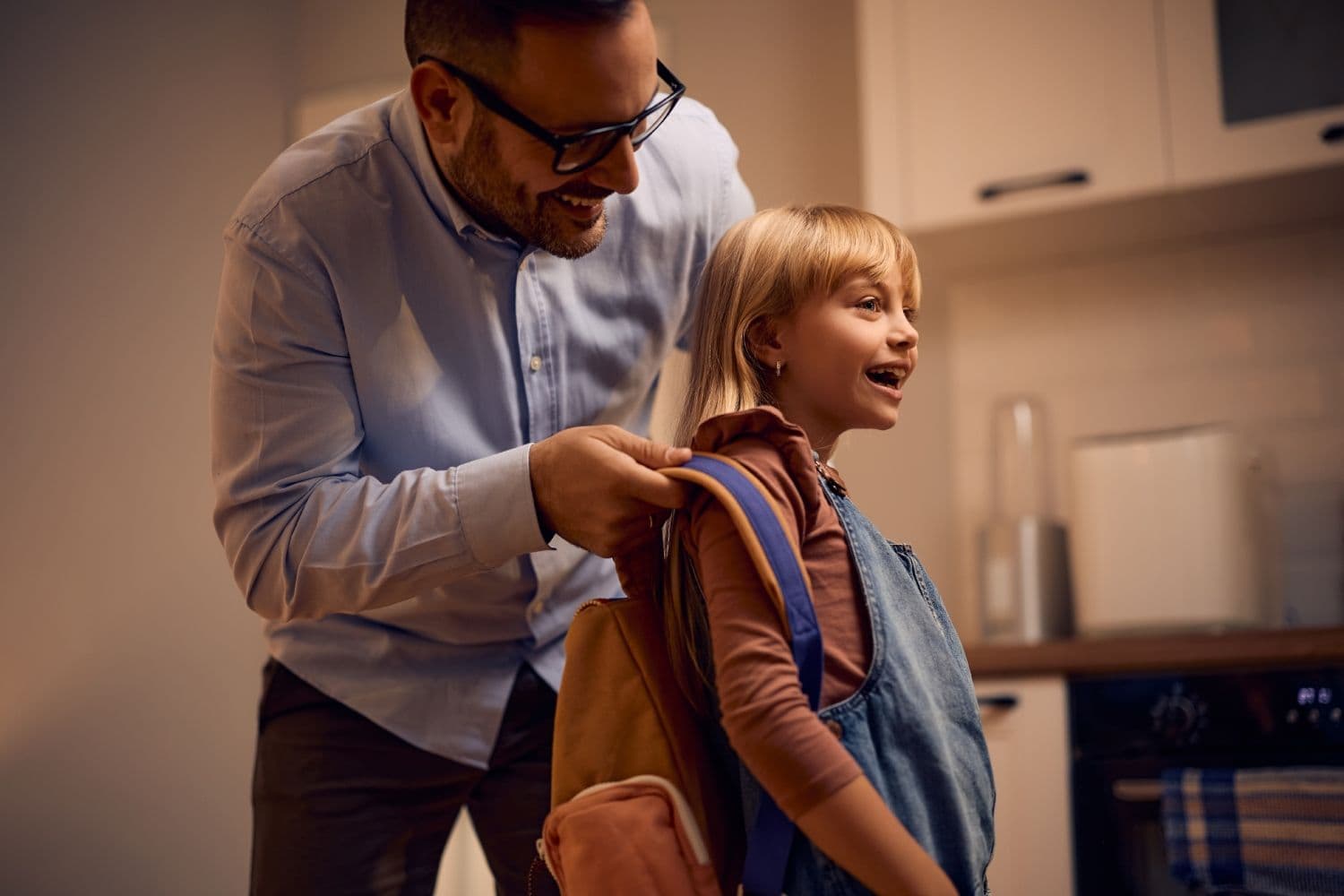
Back to school as a financial challenge for parents
For many Australian families, the start of the school year brings more than just new timetables and early mornings. It also comes with a long list of unavoidable expenses: uniforms, shoes, backpacks, stationery, digital devices or iPads (now required in many public and private schools), sports gear and extracurricular fees. Taken together, these costs can easily run into hundreds of dollars per child, placing real strain on household budgets after the Christmas holidays.
A fresh set of school supplies – complete with textbooks, stationery and a uniform – will set parents back $712 for primary school children and $1,166 for secondary students.*
Back-to-school expenses will be significant and early planning and a few practical strategies; families can help reduce the financial stress.
January is a tough month financially, so care is recommended
“January is one of the most financially challenging months for many households,” explained Tiffany Nguyen, Marketing Manager at IPF Digital, a global financial services company that operates the responsible consumer lending brand, Credit24 in Australia.
“Families often finish the year with higher spending - Christmas holidays, travel, social events, and then January arrives with school fees, uniforms and extracurricular costs. Without a clear plan, it’s very easy for this period to become overwhelming.”
“The good news”, she added, “is that most school-related costs are known well in advance, which means they can be managed with preparation.”
Tiffany’s tips:
Start with a plan, not a trolley
“Check school supply lists as early as possible. Many Australian schools publish these before the end of the previous year, allowing families to spread costs over December and January rather than absorbing everything at once.”
“One of the biggest mistakes parents make is heading into shops or online stores without a clear plan, hoping to figure it out as they go.” says Nguyen. “That approach almost always leads to overspending – buying duplicates, forgetting essentials or getting caught up on impulse purchases.”
“A simple but powerful action is to create a detailed shopping list before spending a dollar. The list should include:
- items that are essential for school;
- items that can wait until later in the term;
- items that are nice to have, but not necessary.”
“Separating needs from wants can save on back-to-school costs. Many parents find it helpful to agree with their child on one ‘want’ item such as, a specific pencil case or lunchbox, while keeping the rest of the spending focused on just the essentials.”
“Involving your child in the process also helps build their own financial literacy. Your children begin to understand budgeting, prioritisation and the real cost of everyday items – lessons that extend well beyond the family and the classroom.”
Compare prices and don’t forget online options
“Leaving school shopping until the last-minute limits your options and usually costs more. Comparing prices across retailers, including online stores, can make a noticeable difference.”
“In Australia, many retailers run back-to-school sales from December to late January, particularly on stationery, shoes and uniforms. Online shops and office-supply retailers may also offer competitive pricing, bundle deals or free delivery, which can be especially helpful for families with more than one child.”
Tiffany Nguyen cautions against buying items just because they’re discounted. “A sale only saves money if the item is needed. Otherwise, that ’saving’ becomes extra spending” Tiffany explained.
Not everything needs to be replaced every year
“Before buying new, it’s worth taking stock of what you already have. Backpacks, lunch boxes, pencil cases and even some uniforms may still be in perfectly usable condition. Often, items just need a clean or a small refresh to be ready for another year,” Tiffany also suggested’.
“Other smart options to consider are:
- hand-me-downs between siblings or friends;
- school uniform exchange programs, which many Australian schools and P&Cs now run;
- second-hand shops and online community groups, where lightly used uniforms, textbooks and sports gear are commonly sold at a fraction of the original price.
Beyond saving money, these choices support sustainability and help reduce waste – values that matter to many Australian families. Involving children in deciding about reuse can also encourage responsibility and appreciation for what they already have.”
Choose quality where it matters
“Saving money doesn’t always mean buying the cheapest option. Low-quality stationery or shoes may need replacing halfway through the year, which ends up costing more”.
“Items like backpacks, school shoes and sports footwear should be chosen with durability and comfort in mind, particularly for a child’s posture and physical development.”
“Spending a little more upfront on key items can often lead to better value over time.”
Plan for next year now and think carefully about borrowing
“One of the most effective ways to reduce January financial pressure is to plan for it throughout the year. Setting aside even $20–$30 a month can ease the financial load when school expenses roll around. So, if it is a strain this year start a saving plan for next year now.”
If borrowing does become necessary, Tiffany stresses the importance of borrowing to a budget. “Parents should assess whether repayments will comfortably fit into their budget over the term of the loan. Compare lenders, take time to understand all fees and conditions, and make sure borrowing is a considered and informed decision; not a reaction to short-term pressure.”
“Responsible borrowing”, she adds, “should support financial stability, not create additional financial strain down the line”.
A calmer start to the school year
“Back-to-school season doesn’t have to mean financial anxiety. With forward planning, thoughtful spending and open conversations with children, Australian families can approach January with more confidence and start the school year focused on learning, not money worries”.
*Source: https://www.finder.com.au/news/back-to-school-costs-2026Finder.com.au on 13 January 2026 reported on the high cost of schooling in Australia including the cost of the dreaded back to school shop. Depending on the school and state, Finder.com reported on typical average annual costs families
could expect to spend.
Start a loan application