
06/07/2026
Cost of Living in Australia: What You Should Know
Understand the cost of living in Australia, what's driving higher prices, key expenses, support options, and ways to manage your budget
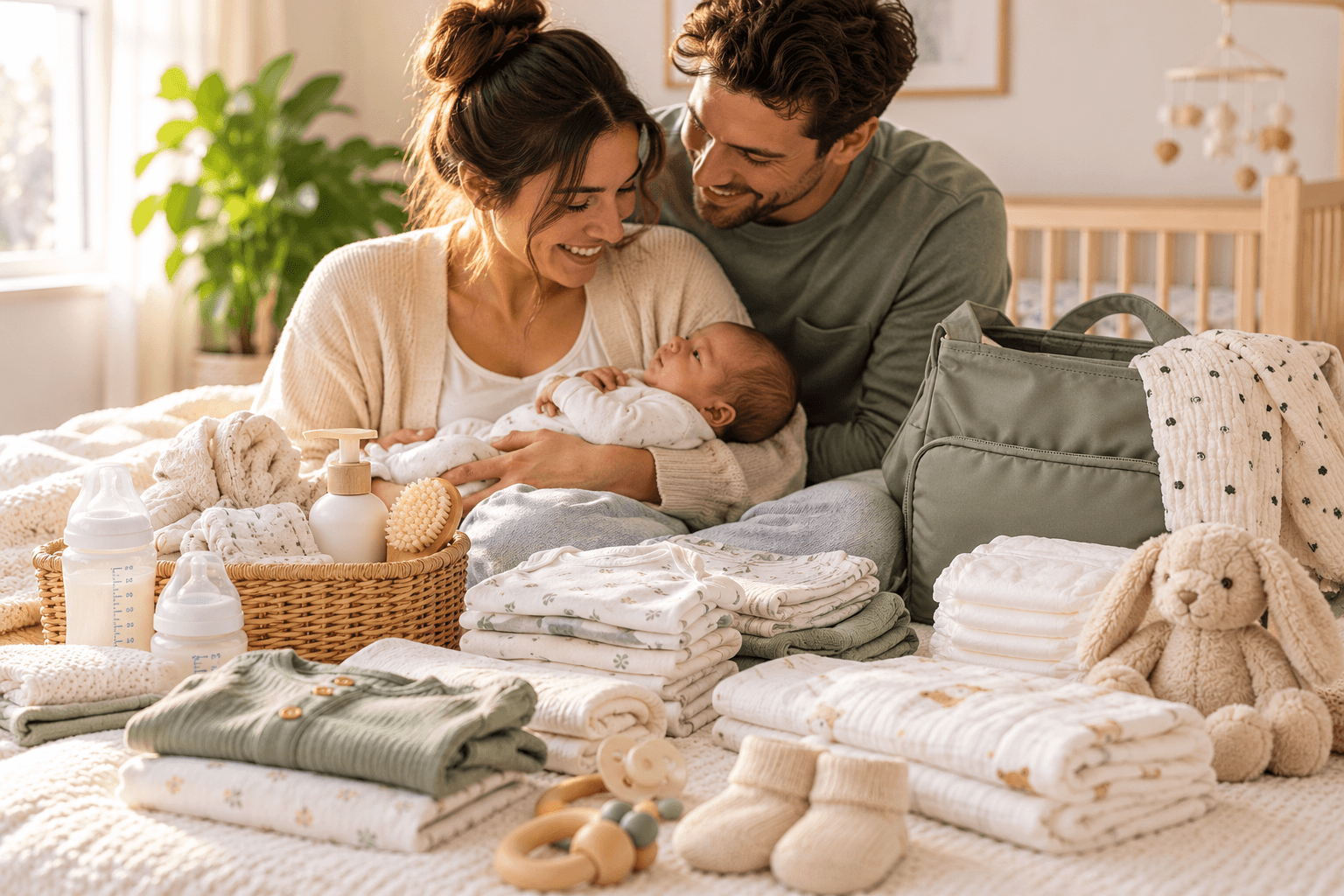
Preparing for a newborn is exciting, but the shopping list can quickly feel overwhelming. Every store seems to have another must-have product, and the costs add up.
The good news? Your baby needs less than you might think.
This baby essentials checklist covers what you'll need for the first few weeks, what can wait and how to keep your spending manageable.
Save this newborn baby checklist for your next shopping trip.
Sleep essentials
Newborn clothing essentials
Nappy and changing essentials
Formula and suitable feeding equipment, if formula feeding
Transport essentials
Approved rearward-facing car restraint, if travelling by car
Pram or baby carrier, if needed
Bathing and health essentials
A newborn's immediate needs are straightforward: safe sleep, feeding, clean nappies, suitable clothing, hygiene and safe transport.
Start with these basics, then buy additional products as you learn your baby's routines.
Your ideal baby essentials list will depend on your feeding plans, laundry frequency, local climate and lifestyle. There's no single shopping list that suits every family.
A safe sleep space is one of your most important purchases.
Choose a cot or bassinet that meets applicable Australian safety requirements, with a firm, flat mattress that fits correctly.
Follow Red Nose safe sleeping guidance: place your baby on their back, keep their head and face uncovered, and maintain a clear, smoke-free sleep environment.
Pillows, cot bumpers, doonas, loose bedding and soft toys aren't newborn sleep essentials.
A dedicated nursery, decorative furniture, rocking chair and elaborate storage aren't necessary from day one.
A safe sleep space matters more than a perfectly styled room.
Babies grow quickly, so avoid buying too many outfits in the smallest size.
A practical newborn clothing checklist includes bodysuits, growsuits, socks and suitable layers for the season.
The quantities above are starting points, not rules. You may need more if you wash clothes less frequently.
For Australian summers, consider lightweight clothing. In cooler months, choose appropriate layers without overheating your baby, particularly during sleep.
Newborns need frequent nappy changes, but that doesn't mean you should stockpile one size.
Start with a modest supply of nappies, wipes and a changing mat.
Disposable nappies involve ongoing purchases, while reusable nappies generally require a higher upfront investment.
A dedicated changing table and specialised nappy bin are optional.
Your feeding supplies depend on how you plan to feed your baby.
Breastfeeding: Nursing bras, breast pads and burp cloths may be useful. An expensive breast pump isn't automatically necessary.
Formula feeding: You'll need suitable infant formula, bottles, teats and equipment for safe preparation and sterilisation.
Mixed feeding: You may need a combination of supplies.
Follow Australian health guidance for formula preparation and ask your midwife or child health nurse for individual feeding advice.
If you're bringing your baby home by car, you'll need an approved, correctly installed rearward-facing child restraint.
In Australia, babies under six months must travel in an approved rearward-facing restraint.
A pram can make outings easier, but it isn't essential for every household immediately. Baby carriers are another option when used according to safety instructions.
Keep your baby hygiene checklist simple.
A safe bathing setup, soft towels, washcloths, thermometer and basic nail care supplies cover many everyday needs.
You may also find muslins, a practical nappy bag and washable cloths useful.
Bottle warmers, wipe warmers, white-noise machines and baby monitors are convenience products rather than universal necessities.
Before adding another product to your baby buying checklist, ask whether you'll actually use it in the first few weeks.
Items that can often wait include:
Waiting gives you time to discover what works for your family.
Second-hand clothing and some non-safety-critical accessories can help reduce costs when they're clean and in good condition.
Take extra care with car restraints, cots, mattresses and other safety-critical products. Check their condition, history, applicable standards and recalls.
Visit ACCC Product Safety for Australian safety information.
A baby budget checklist can help separate genuine needs from optional purchases.
Start by prioritising sleep, transport, feeding, nappies and clothing.
Compare prices, accept suitable hand-me-downs and consider asking family or friends for practical essentials instead of decorative gifts.
Track recurring costs, such as nappies and formula, separately from one-off purchases.
Buying for the first few weeks instead of the first year can help keep upfront spending under control.
Unexpected expenses can make preparing for a newborn more challenging.
Before borrowing, consider delaying non-essential purchases, comparing prices, using safe second-hand items and checking available government or family support.
For eligible borrowers managing a larger necessary expense, Credit24 personal loans offer amounts from $500 to $10,000, with online applications available 24/7.
Borrowing involves interest, fees and repayment obligations. Approval is subject to assessment, so check the total cost and whether repayments fit your budget.
Around six to eight bodysuits and five to seven growsuits can be a practical starting point. Adjust quantities based on laundry frequency, weather and how quickly your baby grows.
Newborns typically need frequent changes throughout the day. Buy a modest initial supply rather than stockpiling one size, as your baby's fit can change quickly.
No. You don't necessarily need both. Choose a suitable sleep space that meets current safety guidance and is appropriate for your baby's developmental stage.
Not many. Your voice, facial expressions and simple age-appropriate interaction provide valuable stimulation during the early weeks.
Focus on safety rather than assuming everything must be new. Be especially cautious with second-hand car restraints, mattresses and products where damage, recalls or unknown history could affect safety.
Prioritise a safe sleep space, basic clothing, nappies, feeding supplies, hygiene items and an approved car restraint if travelling by car. Most convenience products can wait.